

This analysis is free, but with Premium Membership you get MORE. Join today.
NOTE: This incredibly encouraging piece from our friends at The Baptist Report deserves two additional statistics. According to the Iranian government’s own data, 54 percent of Iranians are now “non-religious”: whether that actually means only “non-Islamic” is unclear. But according to that same data, 50,000 of Iran’s 75,000 mosques have closed over the past decade.
The Ayatollah has long told Iranians that he and his government are Islam. It seems that the Iranian people have come to agree with him. And that presents some unprecedented opportunities. — RDM
by The Baptist Report
April 19, 2026
War is hell. But more importantly, the impact of war results in deaths of those who do not profess Christ as Lord, condemning their souls to eternal torment in hell.
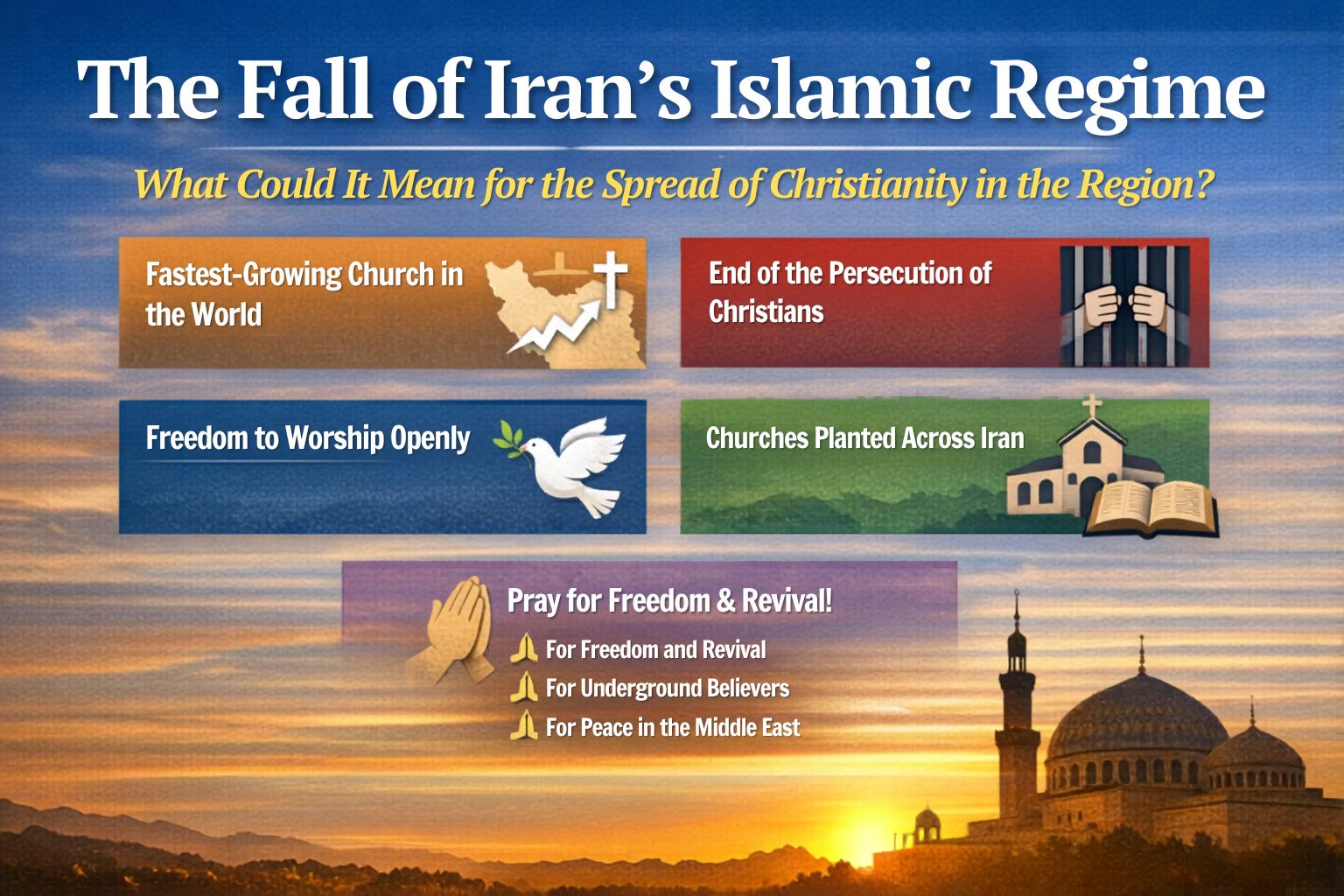
As the United States and Israel carry out significant and potentially regime-changing military action and political pressure intensifies in Iran, speculation grows about the future of the Islamic Republic. Christian leaders and regional analysts are increasingly asking a consequential question: What would the fall of the Iranian regime mean for the spread of Christianity across the Middle East?
Across multiple sources — from the Denison Forum’s Faith & Clarity podcast to reports from osvnews.com and other sources — a theme emerges: Iran may be on the brink of the most significant spiritual shift in the region in centuries.
A Nation Under Pressure – and Spiritually Awakening
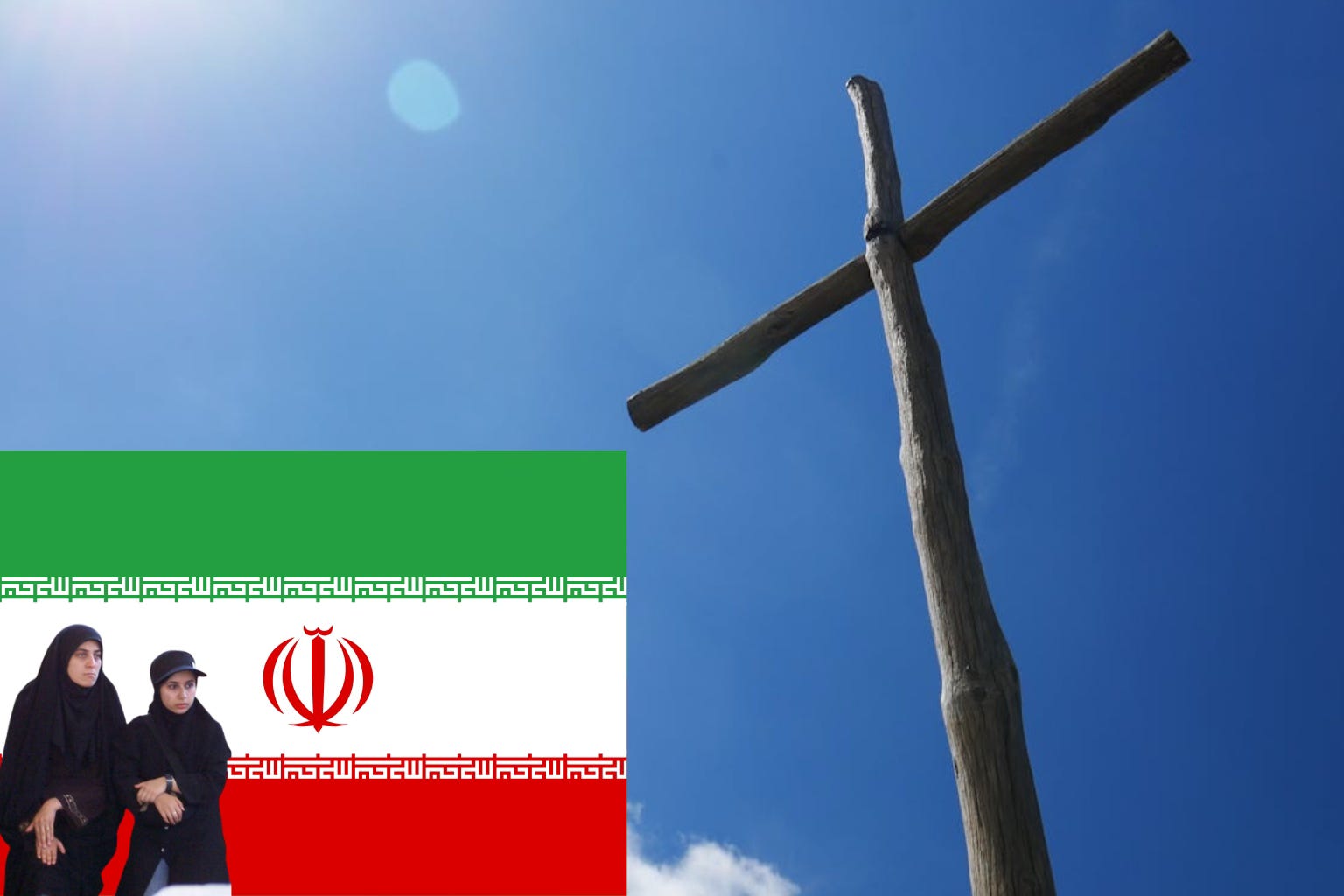
For more than four decades, Iran’s clerical regime has enforced strict religious controls, criminalizing conversion and driving Christian worship underground. Christians face severe persecution, including arrests and harsh penalties for practicing their faith.
Yet paradoxically, this pressure has fueled unprecedented spiritual openness. Hormoz Shariat — often called “the Billy Graham of Iran” — told the Denison Forum that despite persecution, “many Iranians are turning to Jesus through underground churches, dreams, and personal encounters with Christ.”
According to Persecution.org, Iran now has the fastest‑growing evangelical population in the world, a trend that predates the current conflict but has accelerated as disillusionment with the regime deepens. Estimates suggest there are more than a million Iranian converts to Christianity despite the country’s severe persecution. The growth is largely attributed to house church movements and personal connections among believers.
If the Regime Falls: A New Religious Landscape?
Analysts agree that a post‑regime Iran would likely experience a dramatic shift in religious freedom and spiritual exploration. Here’s how:
1. Could Freedom of Worship Expand Rapidly?
Under the current system, even attending a house church can result in years‑long prison sentences. One Iranian mother, Narges, received 17 years simply for participating in a home gathering.
A new government — especially one not rooted in Islamist ideology — could dismantle these restrictions. As one observer puts it, “A new government could lead to greater religious tolerance, allowing Christians to worship freely and openly.”
2. Underground Churches to Public Communities
Iran’s house‑church movement is vast, decentralized, and resilient. Shariat’s ministry alone has documented more than 100,000 conversions through satellite broadcasts. He notes that believers exist “in every city and town,” ready to form public congregations once it becomes safe.
Shariat predicts that within months of regime collapse, “we will be able to plant tens, maybe hundreds of churches.”
3. Disillusionment with Islam Fuels a Search for Alternatives
Multiple sources highlight a profound spiritual shift: millions of Iranians are rejecting the regime’s version of Islam. A survey cited by the Denison Forum found that 84% of respondents expressed negative views of Islam, while 92% held positive views of Jesus and Christianity.
This cultural moment — rare in the Islamic world — creates fertile ground for Christian growth.
Regional Ripple Effects
Iran is not an isolated nation. Its religious, political, and cultural influence extends across Iraq, Syria, Lebanon, and the Persian Gulf. A post‑Islamist Iran could:
Reduce pressure on Christian minorities in proxy‑controlled regions
Shift regional narratives about Islam and religious identity
Inspire reform movements in neighboring countries
Open new pathways for Christian media and missions throughout the Middle East
As a Denison Forum commentator noted, “Perhaps God is stirring in a fresh way… to bring spiritual awakening, religious freedom, and a whole sense of flourishing to Iran and the surrounding region.”
Challenges Ahead
A regime collapse would not automatically usher in a Christian renaissance. Several realities need to be taken into consideration:
Secularism may surge first, as Iranians seek distance from all organized religion.
Political instability could delay open worship.
Decades of surveillance and distrust will take time to heal.
Still, Christian leaders inside Iran remain hopeful. An observer summarized, “The fall of the Iranian regime could create a more favorable environment for Christianity to flourish.”
A Historic Opportunity
If Iran’s regime falls, the Middle East may witness something unprecedented: the first modern Islamic nation to experience a large‑scale turning toward Christianity.
Shariat puts it bluntly: “History is in the making… Iran will be the first nation that rejects Islam and comes to Christ.”
Whether that vision becomes reality remains to be seen. But the spiritual groundwork laid quietly through decades of underground faithfulness suggests that the fall of the Iranian regime could mark a watershed moment for Christianity in the region.
Watch “Iran, War, and the Surprising Growth of Christianity” on YouTube:
— This article first appeared at The Baptist Report, which you should follow.


No stopping Islam until they’re driven out from Europe, just like last time. It’s no different than dealing with locusts…
Part way through you mentioned "witness something unprecedented, 1st modern Islamic country to turn to Christ"
Has this ever happened before? Has an moslem country ever renounced Islam and embraced Christ? I have never read about this ever happening. Is there a big gap in my reading?
The Spanish and Greeks escaped, but only after centuries of war and resistance and the expulsion of moslems, not by spiritual conversion.
Our Heavenly Father can achieve anything but is this realistically possible?