

This analysis is free, but with Premium Membership you get MORE. Join today.
by Darlene McCormick Sanchez
August 31, 2026
In a pre-dawn raid in January, Delta Force soldiers burst in on a sleeping Nicolás Maduro, capturing the Venezuelan leader wanted on U.S. narco-terrorism charges.
The dramatic end of Maduro’s control over a country emblematic of left-wing politics, and one which long supported and funded communist movements and regimes throughout the region, underscored Latin America’s shift to the political right.
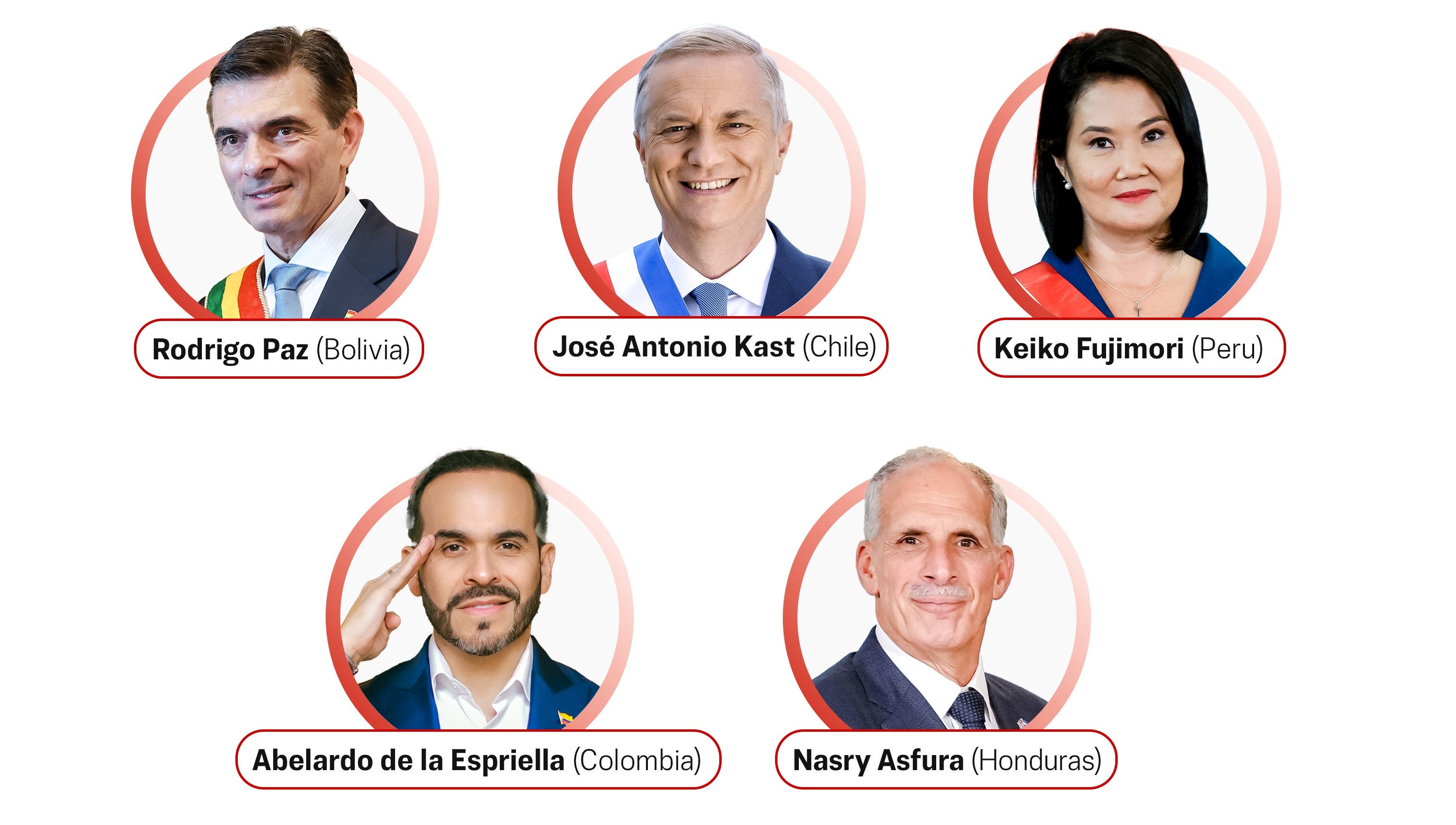
The leadership of five countries in the region has flipped from left to right just in the 20 months since President Donald Trump was re-elected: Bolivia, Chile, Honduras, Peru, and Colombia. Uruguay, wedged between socialist Brazil and libertarian-led Argentina, did the opposite, shifting from right to left in November 2024.
The conservative realignment under Trump comes as his administration has refocused on America’s southern neighbors in what has been dubbed the “Donroe Doctrine” — a play on the Monroe Doctrine, which asserted U.S. dominance over the region.
Gone is the “pink tide,” a wave of “soft” communism that emerged in Latin America in the late 1990s and extended into the 2000s before reemerging in the early 2020s.
The era gave rise to prominent left-wing leaders such as Maduro’s predecessor, Venezuela’s Hugo Chávez, Nicaragua’s Chavez-funded dictator Daniel Ortega, and Bolivia’s Evo Morales, whose takeover of oil and gas production tanked his country’s economy.

Experts believe a combination of Trump’s influence, along with economic and security concerns — two areas of strength for conservative candidates — has triggered a reversal of fortunes for leftist governments in the region.
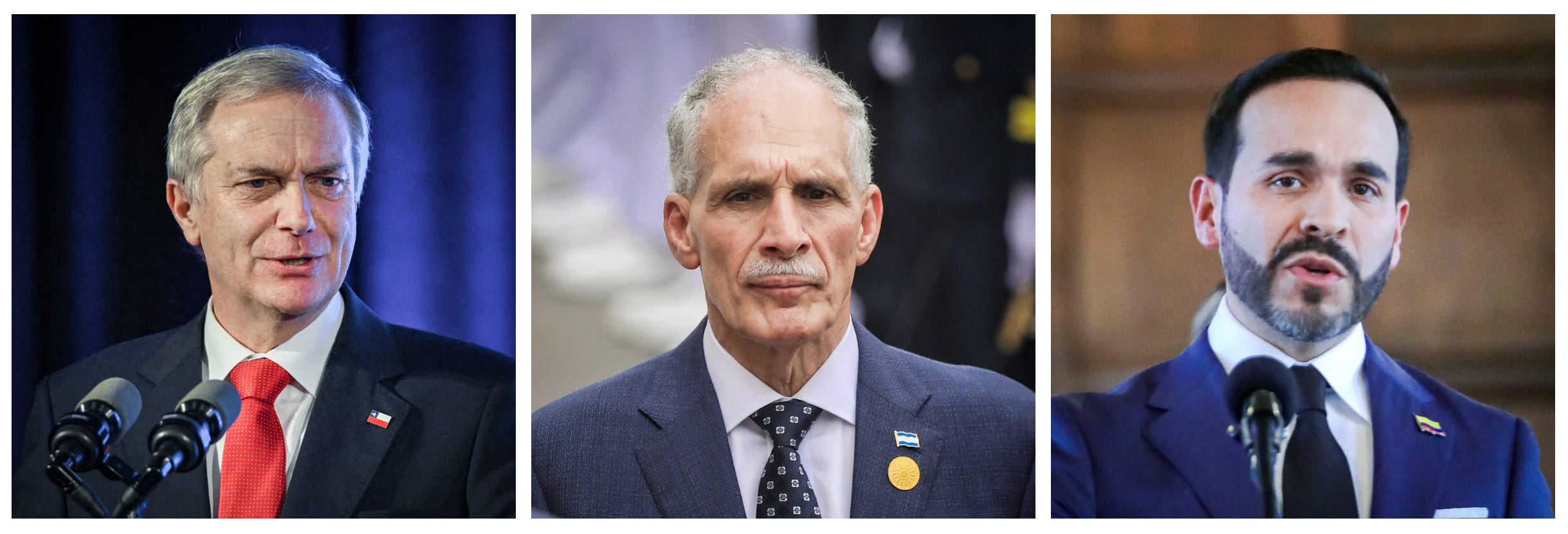
Trump endorsed a number of right‑wing candidates in Latin America, an unusual step for an American president. In December 2025, he endorsed Chile’s José Antonio Kast, who won a landslide election against the communist candidate Jeannette Jara in December 2025. That same month, Nasry Asfura, a Trump-backed conservative, snatched victory away from Honduras’s socialist government.
The president also supported Colombia’s Abelardo de la Espriella, who this year edged out Iván Cepeda, a left-wing opponent aligned with outgoing leader Gustavo Petro, a former Marxist guerrilla.
In four of the five countries, conservatives also made gains in their respective legislatures. Only Colombia saw the left actually gain legislative seats, but neither side holds a majority in its two chambers.
In Bolivia, no party won an outright majority, but the conservative government became the largest force in both chambers of its legislature, while conservative factions together make up a supermajority in both chambers of Bolivia’s government. The former leftist government retained only two seats.
Honduras’s single legislative chamber gained conservative seats on the coattails of Asfura’s victory. In Chile’s legislature, a conservative coalition controls the lower chamber, while the upper chamber is evenly split. Likewise, Peru’s conservative bloc holds a plurality but not a majority in the lower chamber, while the upper chamber is evenly divided.
Crime and Economics
Latin America’s conservative trend was sparked by the abject failure of leftist governments, which led to increased organized crime, reduced opportunity, inflation, and in some cases, near-starvation. Of 16 democracies with populations greater than 1 million people, 10 have changed political direction since 2022, mostly from left to right, according to the report and recent updates.

Of those examined, only Brazil, Guatemala, Mexico, and Uruguay currently have left-wing governments.
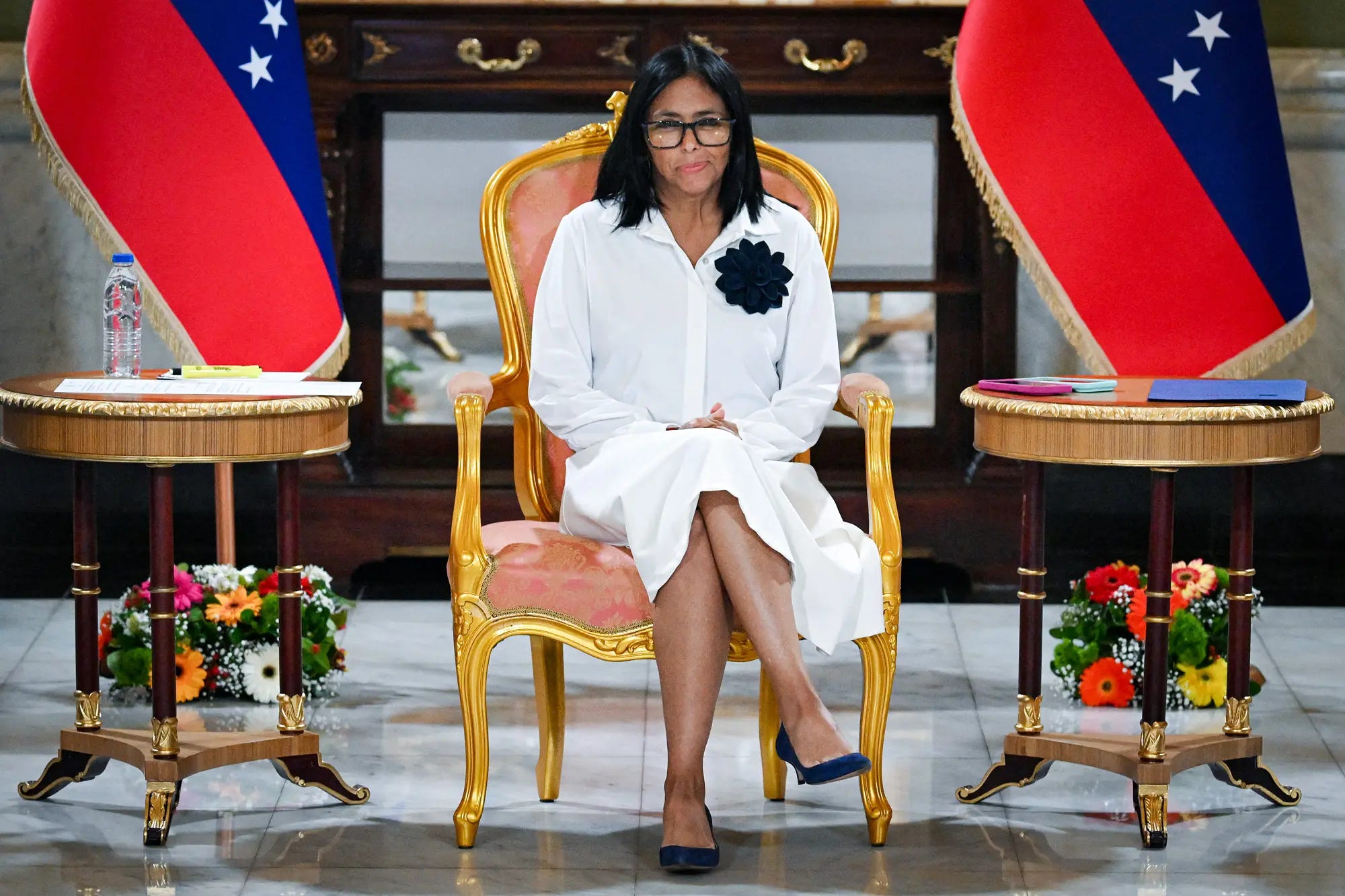
Venezuela, which isn’t counted as a democracy, remains in political limbo after Maduro’s removal, leaving his Vice President Delcy Rodríguez as interim president. Opposition leaders have stated that new elections could take place within nine months, and though past elections have been blatantly stolen, regularly scheduled elections were nevertheless held consistently during the socialist dictatorship, and the U.S. presence should ensure election integrity.
Elsewhere, Cuba remains under communist control that took root in the 1950s, though the regime is hanging by a thread. Another country not included in the survey was Nicaragua, ruled by 1980s communist dictator Daniel Ortega, then a puppet of Cuba and the Soviets, whose return to power was funded by Chavez in 2007. He recently announced the nation would cease to hold elections entirely.
Guyana, which has about 1 million residents, holds democratic elections but remains firmly in the grasp of socialists, despite increasing reliance on the United States.
Just as Maduro’s demise signaled the end of the old communist guard, figures such as Argentina’s chainsaw-wielding leader Javier Milei symbolize the rise of conservative populist leaders.
“Figures such as Javier Milei in Argentina and Nayib Bukele in El Salvador embody the new political mood with their populist strategies, while moderate conservatives such as Luis Abinader in the Dominican Republic prioritize stability and pragmatism,” according to a report from Konrad-Adenauer-Stiftung.

U.S. policy has reinforced the region’s conservative vibe, the report said, leading to positive relationships with right-wing leaders.
“This is hardly surprising given that Washington recently announced its intent to actively support like-minded political forces in the Western Hemisphere, to expand trade relations, and to stabilize Latin American countries in line with its own interests,” the report states.


‘Trump Effect’
Joshua Trevino, senior director for the Western Hemisphere Initiative at the Texas Public Policy Foundation, said having a conservative in the White House has driven change in Latin America.
Trump’s influence and policies have contributed to Latin America turning away from socialism and communism, he said.
“So what we see is a Trump administration effect to a lot of it,” he said. “We can have a lot more open optimism in Latin America than we previously did.”

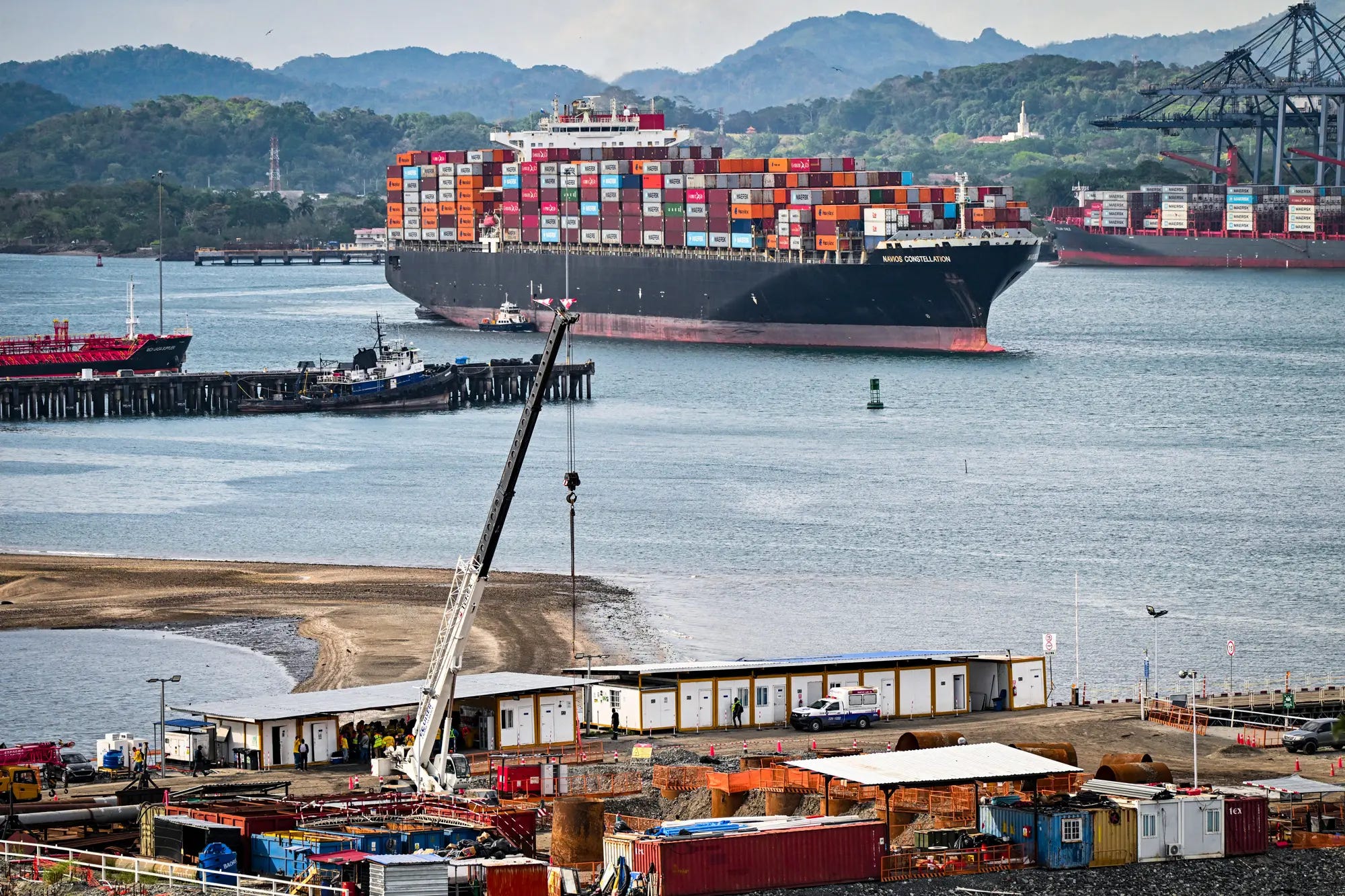
Trump’s foreign policy goals, which refocused on America’s backyard, began almost immediately after he took office in 2025, as he threatened to take back the Panama Canal over the administration’s stance that China had gained control of the critical waterway.
The Trump administration said China’s operation of two critical ports on the canal potentially violated the U.S.–Panama Neutrality Treaty, which was part of the agreement turning over control of the American-built waterway to Panama in 1999.
Earlier this year, the Panamanian Supreme Court ruled China’s control of the ports unconstitutional, requiring Panama to seize control of the ports.
Andrés Martínez-Fernández, Latin America Senior Policy Analyst at The Heritage Foundation’s Allison Center for National Security, said the leaders and people of Latin America are responding to Trump’s willingness to engage with the region.
“I think it is really being noted, by not just leaders in the region, but also voters who see an opportunity to align with the United States,” Martínez-Fernández told The Epoch Times.
Historically and culturally, Latin America has stronger ties to the United States than to communist countries like China, which stepped into the void left by a lack of American engagement in the region over the years.
The Right Security
Domestic and international factors are reshaping current Latin American politics.
Failed left-wing leadership had significant consequences on their respective domestic populations, Martínez-Fernández said.

Former Colombian leader Petro, for example, negotiated conditional ceasefires directly with various guerrilla and criminal factions rather than relying solely on military force. The result was increased insecurity, violence, and organized crime activity, Martínez-Fernández said.
Security failures under socialist governments helped usher in conservatives who were tough on crime.

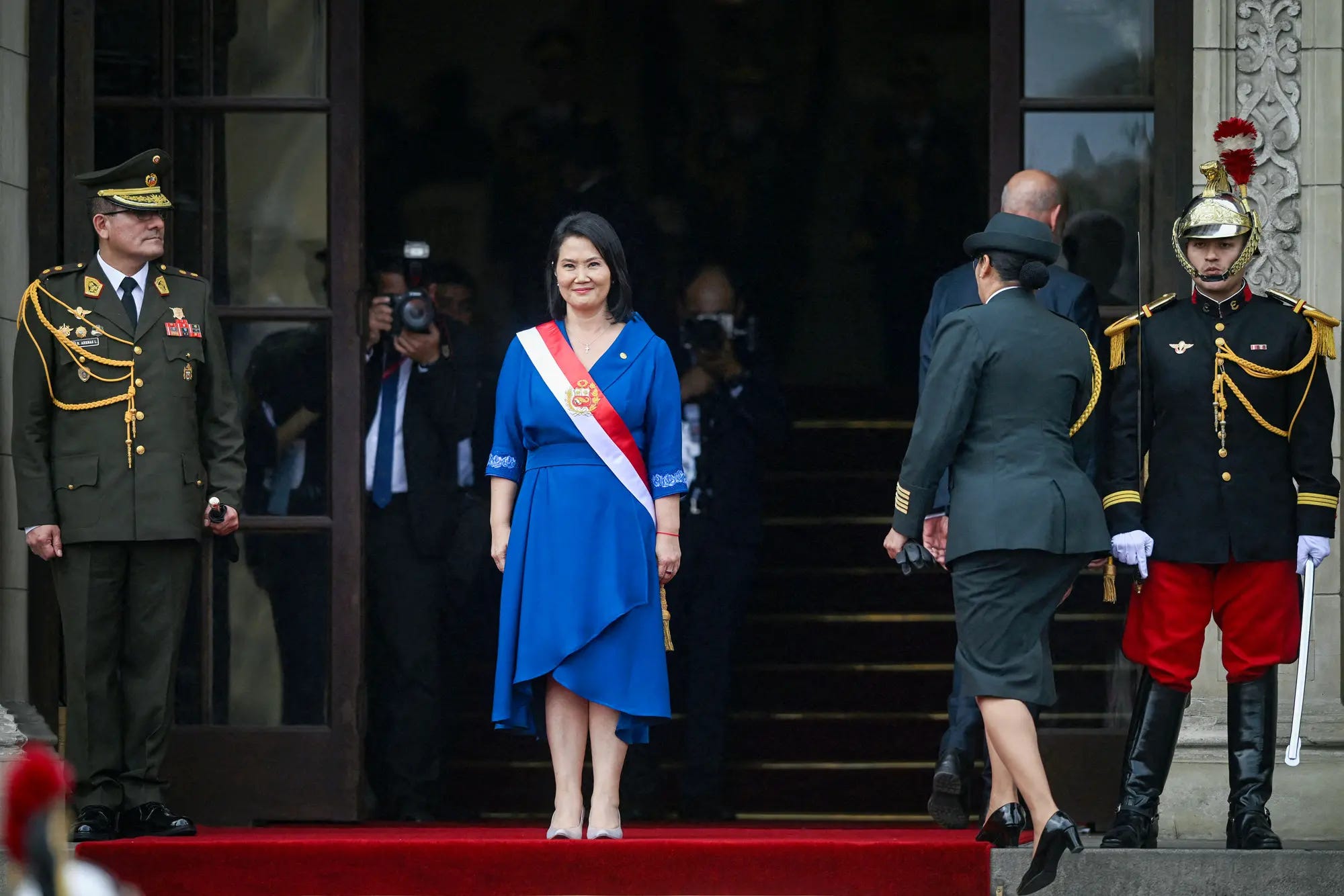
“It’s one reason that [Peruvian President] Keiko Fujimori, almost from the moment she took office, imposed the state of emergency and announced that there’s going to be a crime crackdown,” Trevino said.
Peruvian President Keiko Fujimori said in her inaugural speech on July 28 that the military would temporarily lead security operations in crime-ridden areas. During her campaign, she vowed to take a hardline approach to violent crime, similar to that of Salvadoran President Nayib Bukele.
Likewise, citizens are seeking law and order, particularly those in cartel-infiltrated nations such as Chile, Colombia and Ecuador, he added.
Trump’s efforts to engage Latin American countries on shared security challenges surrounding narco-terrorists will likely retain American influence in the region.

One tool for that is the Shield of the Americas, a security and intelligence coalition designed to stop narco-terrorist gangs. The Trump administration launched the coalition in March.
Also in March, the Paraguayans approved a status-of-forces agreement allowing American forces to deploy in Paraguay for the first time.
“I would keep an eye on all that because there is an evolving U.S. military infrastructure in Latin America in particular, that I think is going to be with us for a very long time, and that too is going to have a political effect,” Trevino said.
Inflation and Politics
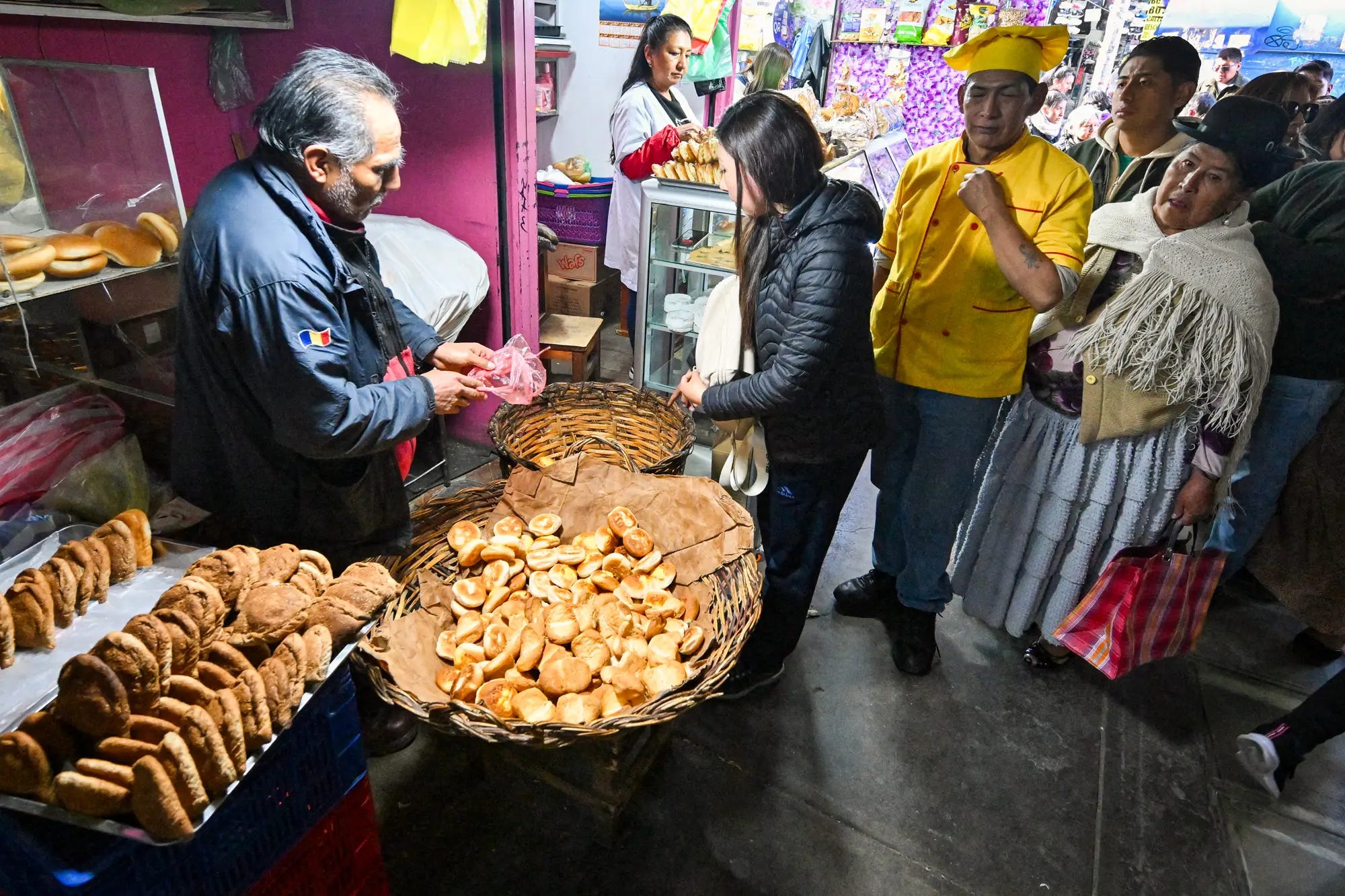
Amid inflation and a cash crunch that crippled flour imports, bread became a symbol of Bolivia’s economic crisis prior to the country’s elections in 2025. Bolivians were paying the same government-fixed price, but a loaf of bread had dwindled to about half its former size, as bakers cut size and quality.
Bolivia isn’t a country known for a high cost of living to begin with, yet people were struggling to survive under socialism.
As with crime, Latin Americans trusted conservatives at the polls more than liberals to help them economically.

“There’s a cost of living crisis around the world right now,” Trevino said. “It’s affected Latin America just as much as anywhere else. It is 100 percent made worse by socialist policies.”
Likewise, Argentina’s economic crisis under socialism was the catalyst for political change. The country’s “social welfare” government was in such shambles, with inflation soaring to 100 percent, that voters were open to trying someone new and elected Milei in 2023.
As a free-market capitalist, his election proved especially important for Argentina.
In 2025, the Trump administration announced a $20 billion currency swap with Argentina’s central bank. Under the deal, the U.S. Treasury agreed to purchase $20 billion in pesos in exchange for U.S. dollars to help Argentina stabilize its currency.
The Buenos Aires stock market surged 15 percent on news of the deal, potentially averting currency devaluation ahead of that country’s midterms, which Milei’s party won. His government promptly repaid the draw on the fund in full.
Treasury Secretary Scott Bessent praised Trump’s strategy of peace through economic strength, posting on X in January that his boss was “transforming Latin America in ways that are America First, surrounding the United States with stability and prosperity.”
Gaining Ground
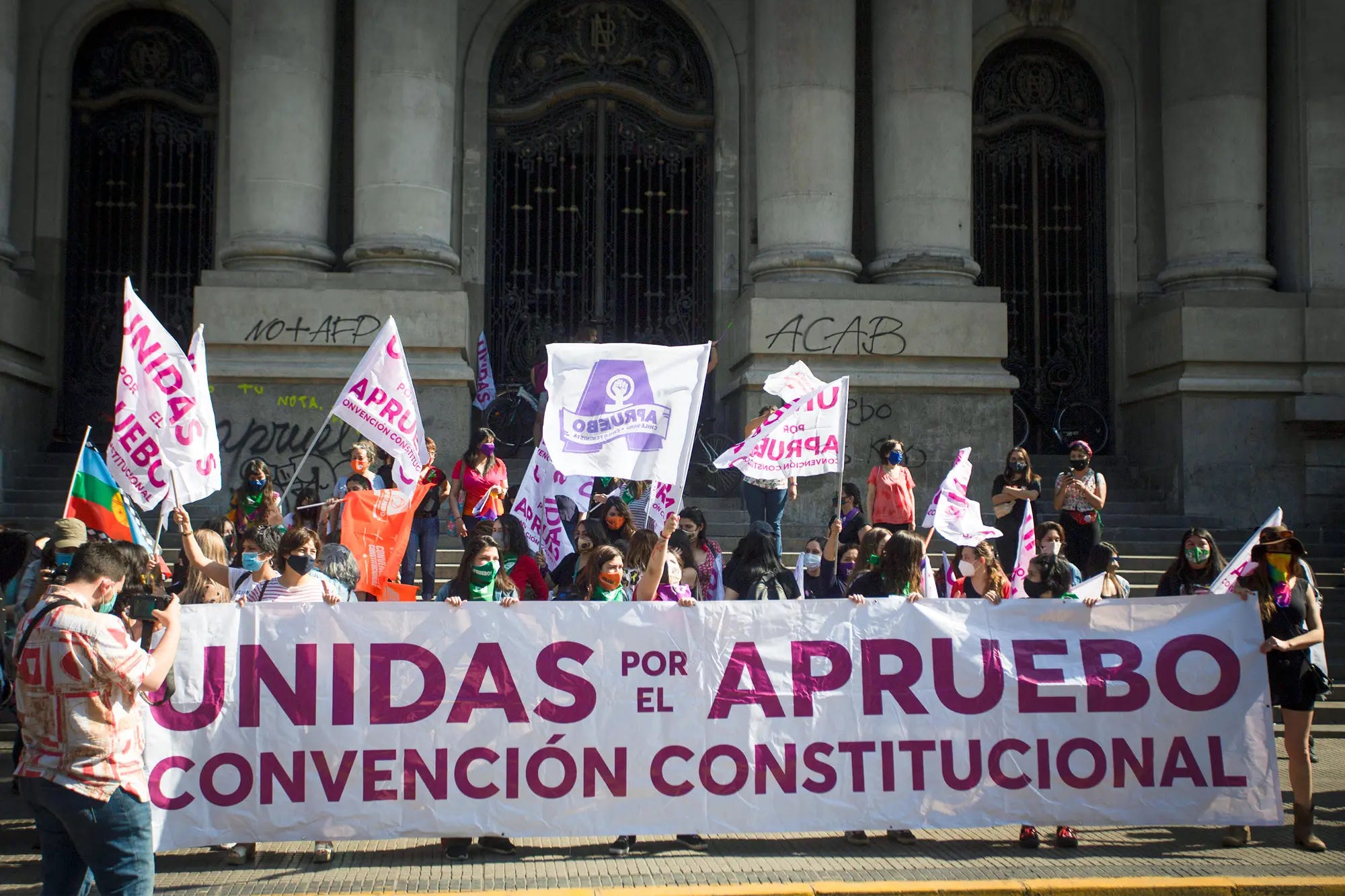
Konrad-Adenauer-Stiftung noted in its report that young people on social media were accelerating the region’s conservative shift.
Martinez-Fernandez agreed, saying Latin American youth have lived their entire lives under left-wing policies, have seen them go awry, and are driving change. However, the conservative shift in Latin America remains tenuous.
Older citizens are more leery of the right-wing dictators of the 1980. If the razor-thin victories in Peru and Colombia are any indication, then the pendulum might well swing back to the left.

Yet renewed U.S. engagement in the Western Hemisphere will likely put a thumb on the scale in the future.
“That is going to be a shift in the kind of underlying environment for regional politics, which is going to favor a more consistent pro-U.S. posturing than we have seen in the past,” Martínez-Fernández said.
— This analysis is published in cooperation with The Epoch Times.


Want to learn more about Latin American history? Then I’ve got the recommend reading list for you!
* Conquistadores: A New History of Spanish Discovery and Conquest by Fernando Cervantes
* Conquest: Cortes, Montezuma, and the Fall of Old Mexico by Hugh Thomas
* Rivers of Gold: The Rise of the Spanish Empire, from Columbus to Magellan by Hugh Thomas
* The Golden Empire: Spain, Charles V, and the Creation of America by Hugh Thomas
* America, América: A New History of the New World by Greg Grandin
* Cuba: An American History by Ada Ferrer
* Born in Blood and Fire: A Concise History of Latin America by John Charles Chasteen
* Americanos: Latin America's Struggle for Independence by John Charles Chasteen
* Bolivar: The Liberator of Latin America by Robert Harvey
* Citizen Emperor: Pedro II and the Making of Brazil, 1825-1891 by Roderick Barman
* Hiding Mengele: How a Nazi Network Harbored the Angel of Death by Betina Anton
* Chile and the Nazis: From Hitler to Pinochet by Graeme S. Mount
* Shattered Hope: The Guatemalan Revolution and the United States, 1944-1954 by Piero Gleijeses
* Latin America’s Cold War by Hal Brands
* The Pinochet File: A Declassified Dossier on Atrocity and Accountability by Peter Kornbluh
* General and the Jaguar: Pershing's Hunt for Pancho Villa: A True Story of Revolution and Revenge by Eileen Wilsome
* The Training Ground: Grant, Lee, Sherman, and Davis in the Mexican War, 1846–1848 by Martin Dugard
* The Dominican Republic: A National History by Frank Moya Pons
An epic piece by Darlene McCormick Sanchez! Thank you to the Rod Martin Report for publishing it! Pro-American, pro-western, right-wing governments who stand for free-market capitalism, law and order and tackling corruption have been elected in most Latin American nations and the United States’ influence in the region has grown significantly. Meanwhile, China is being chased out of the region by the United States and its allies. China’s control over the Panama Canal was terminated by Trump who got Panama to pull out of the Belt Road Initiative. Trump also pushed Panama to act on China’s control over the canal with his rhetoric about the United States taking the Panama Canal itself back. The Panamanian Supreme Court then as if on cue, ruled China’s prescience there unconstitutional and officially expelled them from the Canal Zone. Gee, I wonder what spurred them to take action? 😉 Argentina, Colombia, Peru, El Salvador, Ecuador, Bolivia, Panama, Chile, Peru, Costa Rica, and the Dominican Republic have all elected conservative governments. Why? For a variety of reasons. For one thing, voters are tired of crime and cartel violence. Second, they are sick of government corruption. Third, they have seen how badly social democratic and socialist policies have failed. Donald Trump’s influence played a role in the conservative wave in Latin America as well. If he endorses a candidate, you know they will likely win. Bill Clinton, George W. Bush, Barack Obama, and Joe Biden all ignored Latin America and never really did all that much to improve the situation in the region. Not Donald Trump! He’s taken it to the cartels, killed El Mencho, secured the Southern border, got Mexico to make concessions on border security, brought dozens of drug kingpins to justice, and backed pro-American, pro-western and pro-tough on crime candidates all across the region which helped put them over the top to victory!
Not to mention the greatest feather in Trump’s cap, the arrest of Nicolas Maduro and his wife. It was a daring midnight raid by the U.S. Delta Force that Maduro never saw coming. Nor did the World for that matter. Maduro’s security was quickly overwhelmed and he and his wife were captured, put in handcuffs and taken to New York City to be held in custody until they could be tried. Maduro was the Beast of Caracas. A brutal dictator who slaughtered his own people when they peacefully protested his regime, threw thousands of dissidents in jail, ran one of the biggest drug cartels in the world that killed thousands of Americans every year, was close friends with Russia, China and Iran and allowed them to use his country as a base to operate from, did a shadow oil trade along with Cuba, with the Russians and the Chinese, oppressed and murdered the nation’s indigenous people, stifled freedom of the press, tortured political prisoners, caused millions to live in poverty and food insecurity, paid Venezuelan workers chicken feed, was negligent with the country’s healthcare system, and caused a massive humanitarian crisis in which caused nearly eight million of his own people to flee the country for the United States, other Latin American nations and the Caribbean.
Everyone freaked out and said that now that Trump had done this, countries would start going around violating each other’s sovereignty kidnapping elected officials and heads of state. This was all complete nonsense and empty media hysteria which of course never happened. Latin American voters want peace, prosperity, stability, safe and clean streets, economic opportunity, to stop the drug trade that plagues their nation, to get a better life for the children, and honest leadership. This is why they are electing right-wing governments. As for Communist Cuba, it is teetering on the brink of collapse as Trump has put the screws to them. Miguel Diaz-Canel’s days in power are numbered. When democracy does fully blossom on the island it will be a paradise! Cuba will be one of the richest nations on the face of the planet! Fidel Castro is dead, Raul Castro is a sickly old man who can’t hurt anyone anymore and Miguel Diaz-Canel is barely keeping his job. Things are looking WAY up for the Cuban people! No doubt Castro and Che would role over in their graves if they saw what things in Cuba were like today and the condition the regime was in. I say let them role! I don’t miss of the incompetent left-wing buffoons who use to run Latin American countries. They cared nothing about the people, only themselves. Claudia Steinbaum and Luiz Inácio Lula da Silva I hope will be next!