

This analysis is free, but with Premium Membership you get MORE. Join today.
by Ben Marlow
September 5, 2026
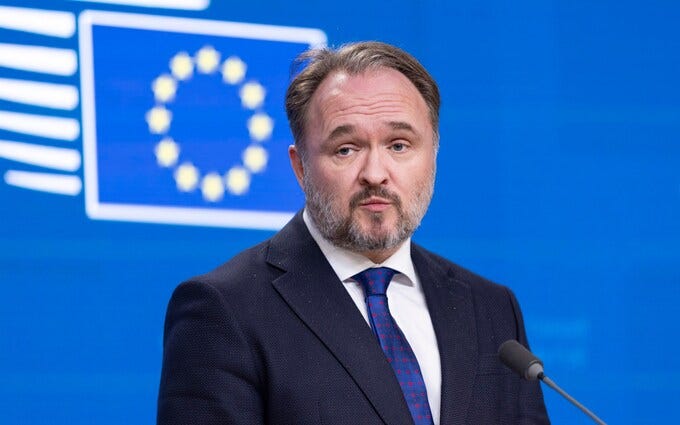
“We’ve decided in the European Union that we do not want to re-import Russian energy,” said Dan Jørgensen, the EU’s energy chief, on the sidelines of a summit of energy ministers in Brussels in March.
Jørgensen was responding to growing pressure from some European leaders to re-engage with Russia as the bloc scrambled to offset surging energy prices triggered by the war in Iran.
Yet the Dane was unequivocal that there would be no going back. “We’ve been far too dependent on energy from Russia, making it possible for Putin to blackmail us,” he declared. “In the future, we will not import as much as one molecule from Russia.” Jorgensen added that Europe would not “help indirectly finance Russia’s brutal, illegal war”.
What to make, then, of figures showing that Europe hasn’t just continued to import Russian energy, but seemingly can’t have enough of it?
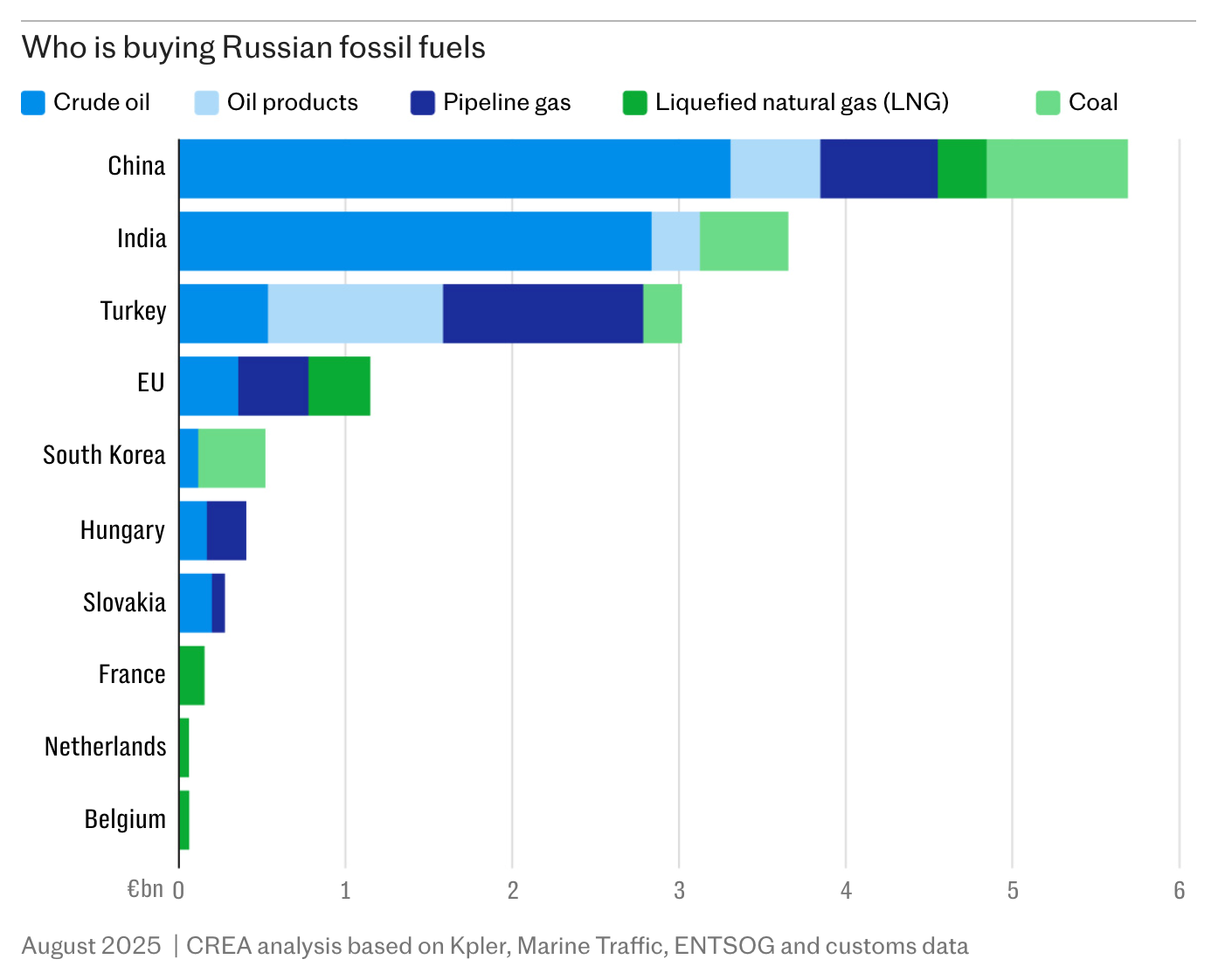
In the first half of 2026, Europe bought nearly 10 million tons of liquefied natural gas (LNG) from Yamal LNG, the largest project of its kind in Russia. That’s not only a 16 percent jump on the same period last year, but a record amount.
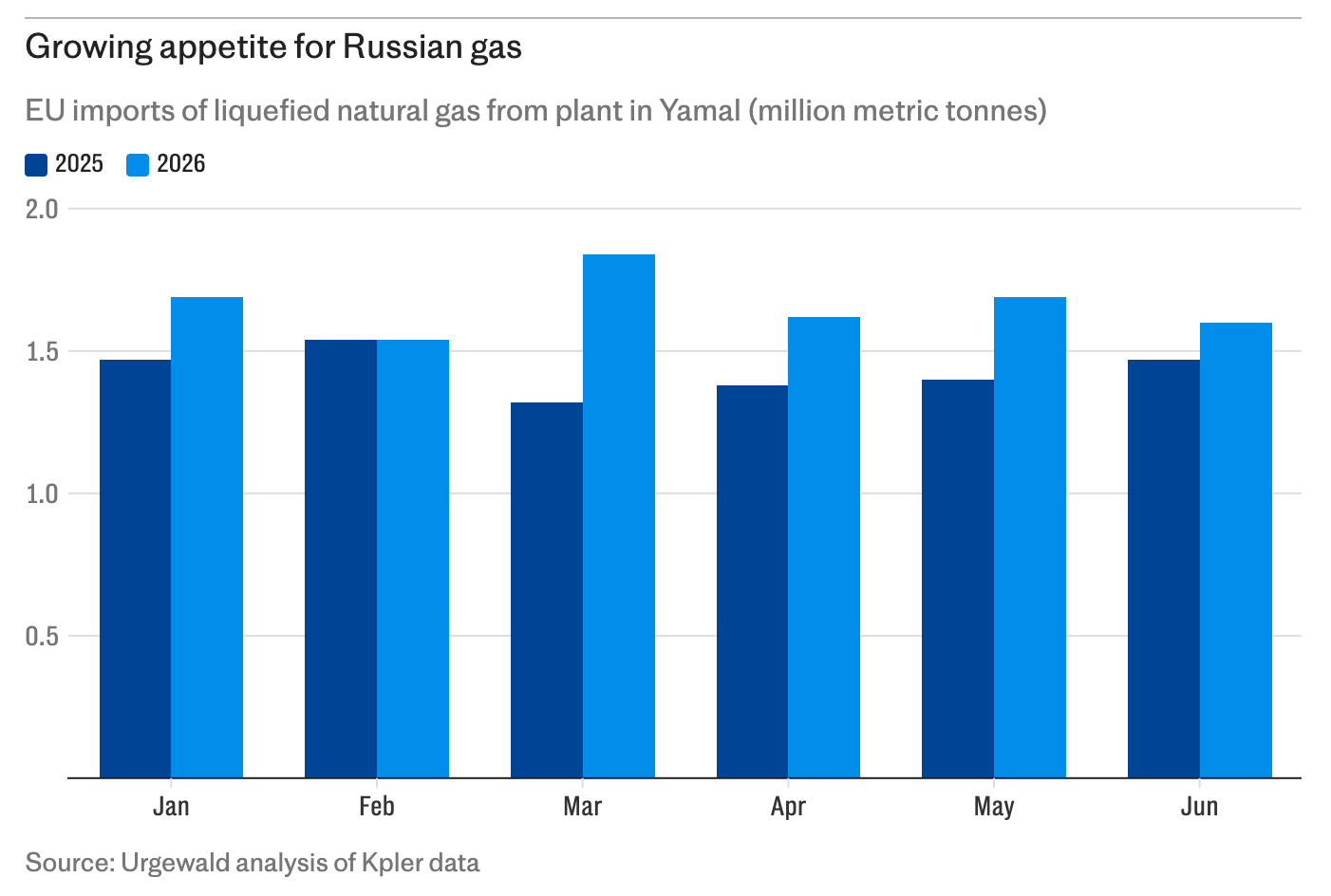
In fact, the shipments were so large that they accounted for nearly all of the Siberian facility’s output during that time. In May alone, 23 of the 25 cargoes exported from Yamal were delivered to the EU, according to sanctions campaign group Urgewald.
This doesn’t just make a mockery of Jørgensen’s bold promises, it reflects badly on the entire EU, exposing all the endless talk of solidarity with Kyiv as a disgraceful sham.
That Russian LNG was pouring into Europe at a time when Moscow was stepping up its attacks on Ukrainian energy infrastructure and civilian sites makes it a double slap in the face.
For more than four years now, European leaders have repeatedly boasted that they are doing everything in their power to ensure Ukraine can defend itself from Vladimir Putin. The EU stands shoulder to shoulder with the people of Ukraine, we’ve been told ad infinitum.
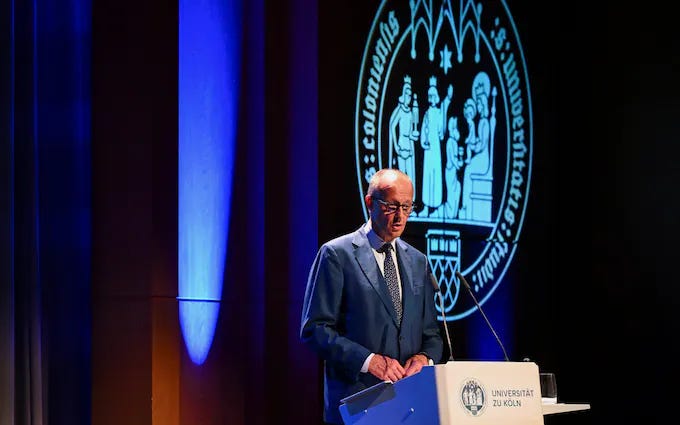
Only a fortnight ago, as NATO countries prepared to meet in Ankara, Friedrich Merz, the German chancellor, said European leaders wanted to send “a strong signal of support for Ukraine”.
“The message to Russia is: Ukraine remains strong,” Merz said as he hosted the leaders of Britain, France, Italy and Poland at a summit for the European Group of Five (E5) in Berlin.
How unfortunate, then, that the EU is also doing its bit to ensure Russia remains strong.
Urgewald estimates that Europe may have paid as much as €6 billion for these shipments, and while Putin apologists may be quick to point out that Russia’s flagship LNG facility is owned and run by Novatek, a private company, that is a giant red herring. Around half of Novatek is owned by Leonid Mikhelson and Gennady Timchenko, two of Putin’s closest allies. Another 10 percent is held by the state-backed gas giant Gazprom, which gives it two seats on the board.
This means Novatek funnels money directly to the Kremlin not merely in corporate taxes but in dividend payments as well.
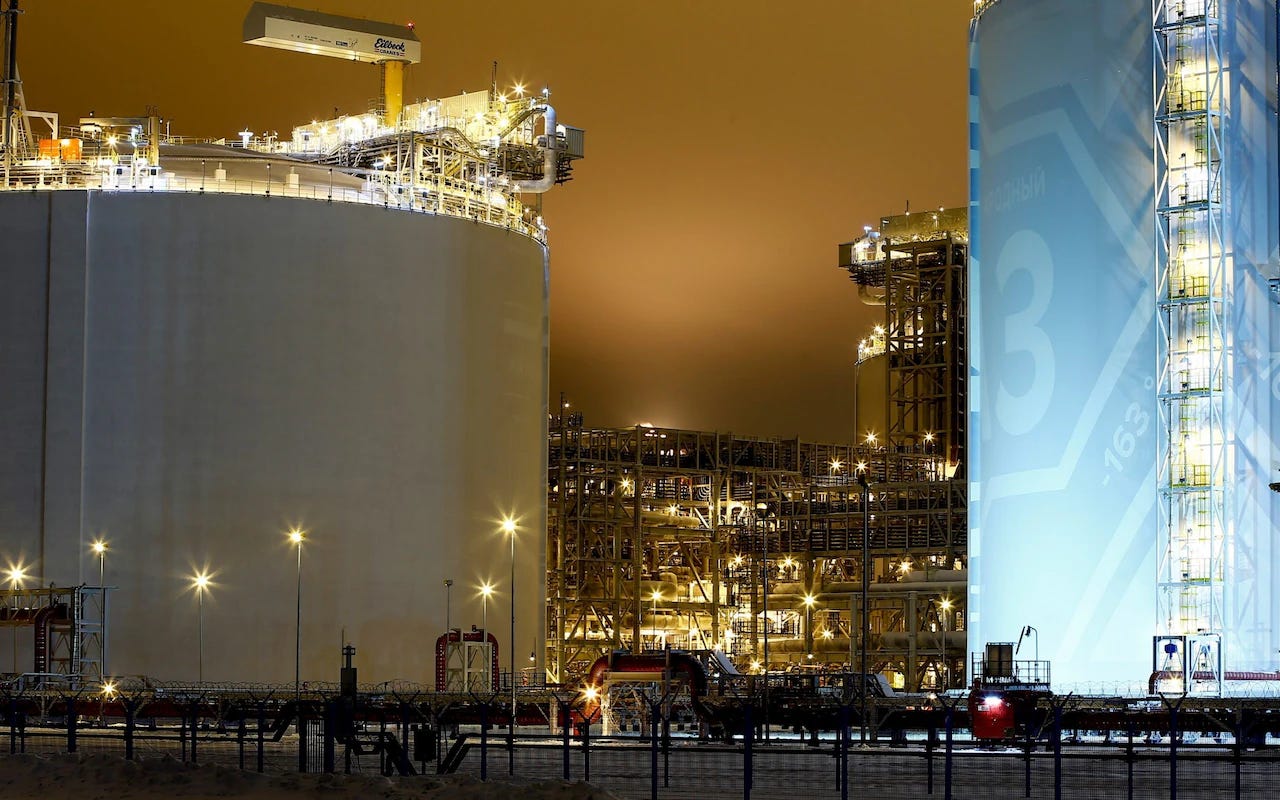
France’s TotalEnergies is also a significant shareholder in Novatek, as well as in Yamal — an arrangement that proved to be mightily lucrative both in the run-up to Russia’s invasion and afterward.
Between 2017 and 2022, Total banked nearly $1.8 billion in dividends from its investments with Novatek and the Yamal joint venture.
This included $750 million during the first nine months of 2022, meaning Total was still profiting from the arrangement even while Russian bombs were terrorizing Ukrainian civilians in their homes.
Volodymyr Zelensky has made it abundantly clear what he thinks about this arrangement. Advisers to the Ukrainian president quite rightly called the dividends “blood money”.
Total began to distance itself from Novatek by writing down its stake and removing its representatives from the company’s board in late 2022, but not before pocketing a €440 million half-yearly payout despite a personal request from Zelensky to either reject or redirect the funds to victims of the war.
Months earlier, Patrick Pouyanné, the chief executive and chairman of Total, had said the dividends were becoming harder to receive. Clearly not hard enough, though.
It’s not just that the Continent has had more than four years to wean itself off Russian imports, or that it’s purchasing more LNG from Yamal than ever. It’s that the increase coincides with a looming ban on such trade.
Under EU rules that came into force in April, Russian LNG bought under short-term contracts — those lasting less than a year — are prohibited. Imports under long-term contracts remain legal but only until Jan. 1, 2027, when a full ban on Russian LNG comes into effect.
Put plainly, Europe is engaged in one final last-ditch scramble to stock up on as much Russian gas as it can get its hands on before new laws come into play.
There has long been a “say one thing and do another” approach to the continent’s post-Ukraine energy policy, whereby expectations and promises repeatedly collide with reality. But this is about as cynical as it gets.
Still, Europe’s appetite for posturing and hollow sound-bites appears to know no bounds. On Monday, Emmanuel Macron, the French president, played host to yet another meeting of the so-called coalition of the willing.
In the build-up, Jean-Noël Barrot, France’s foreign minister, said France would be summoning the Russian ambassador to Paris in the coming days because of an alleged cyberhacking campaign against at least 10 European countries.
“We are going to publicly condemn a widespread cyber campaign carried out by Russia,” Barrot said. Putin will be quaking in his boots.
At the same time, EU foreign ministers are meeting in Brussels to discuss the bloc’s next — and 21st — package of sanctions against Russia.
Kęstutis Budrys, the Lithuanian foreign minister, said: “I’m looking to see whether we are serious enough. We cannot put economic interests above security interests ... That is a very dangerous trend.”
Yet Budrys shouldn’t have to fly all the way to Brussels for an answer. It’s staring him in the face. If the EU was serious about standing up to Putin, the Kremlin’s oil and gas windfall would have ended a long time ago.
Instead, record European gas imports continue to fund Russian terrorism against Ukrainian women and children, all while European leaders mouth platitudes and hector the United States to “do more.”
Indeed, the U.S. would be happy to do more. It would gladly start by selling Europe its own LNG in place of Russia’s. Perhaps someone should consider that.
— This article first appeared in The Telegraph.


The irony is that the very thing they are hypocritical about are the very Russian resources they covet for themselves, and the entire premise of the initial proxy war with Russia.