


by Rod D. Martin
March 5, 2026
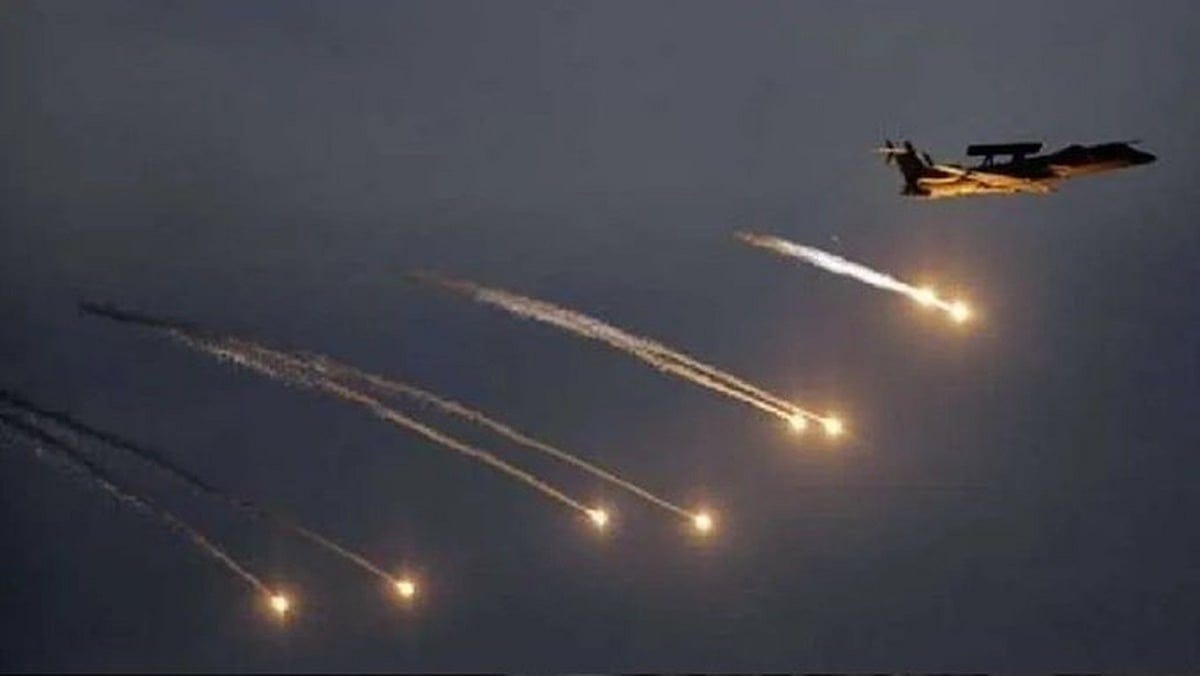
The border war that started last fall between Pakistan and Afghanistan just heated up, as Pakistan conducted airstrikes against Taliban military installations including the former U.S. air base at Bagram.
With Iran dominating the headlines, this conflict isn’t getting much. But you need to know the stakes. The Taliban have two aims in this conflict, neither of which is good for America.
Beginning last October 10th, Pakistani jets pounded Taliban positions in Kabul and Kandahar after weeks of escalating clashes along the Durand Line. Taliban fighters struck back with artillery and raids on Pakistani border posts, even seizing tanks and territory around Spin Boldak. Dozens have been killed on both sides, hundreds wounded, and the main crossings at Torkham and Chaman — vital arteries for trade and aid — were shut.
Major hostilities ended in a ceasefire brokered by Qatar and Turkey later that month. But the Stans didn’t actually cease firing. Border skirmishes are the least of it. The Afghan chapter of the Taliban continues harboring Pakistani Taliban (Tehreek-e-Taliban Pakistan, or TTP) bases in Ho Chi Minh Trail fashion. In recent weeks, those forces have conducted a series of high profile attacks inside Pakistan, including a wave of attacks and suicide bombings targeting Pakistani military and police.
Beginning on February 27th, that drew a resumption of Pak air strikes, against multiple Taliban targets across the country and including Kabul, Kandahar, and Bagram. Heavy shelling and explosions have been reported all along the ~1,600 mile border, while Afghanistan claims to have seized multiple border posts. Turkey has offered to mediate, but as yet no end is in sight.
So why? And why does it matter to the wider world? To answer that, we must understand how we got here.
For decades, Pakistan has played a triple game. Ostensibly a U.S. ally and its most important logistical conduit during the long Afghan war, Pakistan is also a key Chinese ally, joint developer of the J-10 fighter, and key to the CCP’s strategy vs. India.
But that’s just the beginning. In Afghanistan, Pakistan not only played a key role in the Taliban’s creation, its ongoing links are significant. The ISI, Pakistan’s intelligence service, is riddled with Taliban. The country has a large Pashtun minority (18%), while the word “Afghanistan” literally means “land of the Pashtuns” (much to the annoyance of its numerous other ethnic groups, none of whom get along). The Pashtun-dominated Taliban has long operated in Pakistani territory. Until recently, Islamabad’s response to this has been, shall we say, less than decisive.
So why would Afghanistan attack a far-stronger Pakistan?
The primary answer is China. Afghanistan wants Chinese investment. Yet even before China began pulling back on its Belt and Road Initiative, that hasn’t been flowing to Kabul because Beijing views dealing with the Taliban as trying to make deals with bandits (which, in point of fact, is exactly what it is). Kabul hopes that by attacking a key Chinese ally, it can force Beijing to mediate a peace deal that includes that investment, along with the technical expertise it lacks.
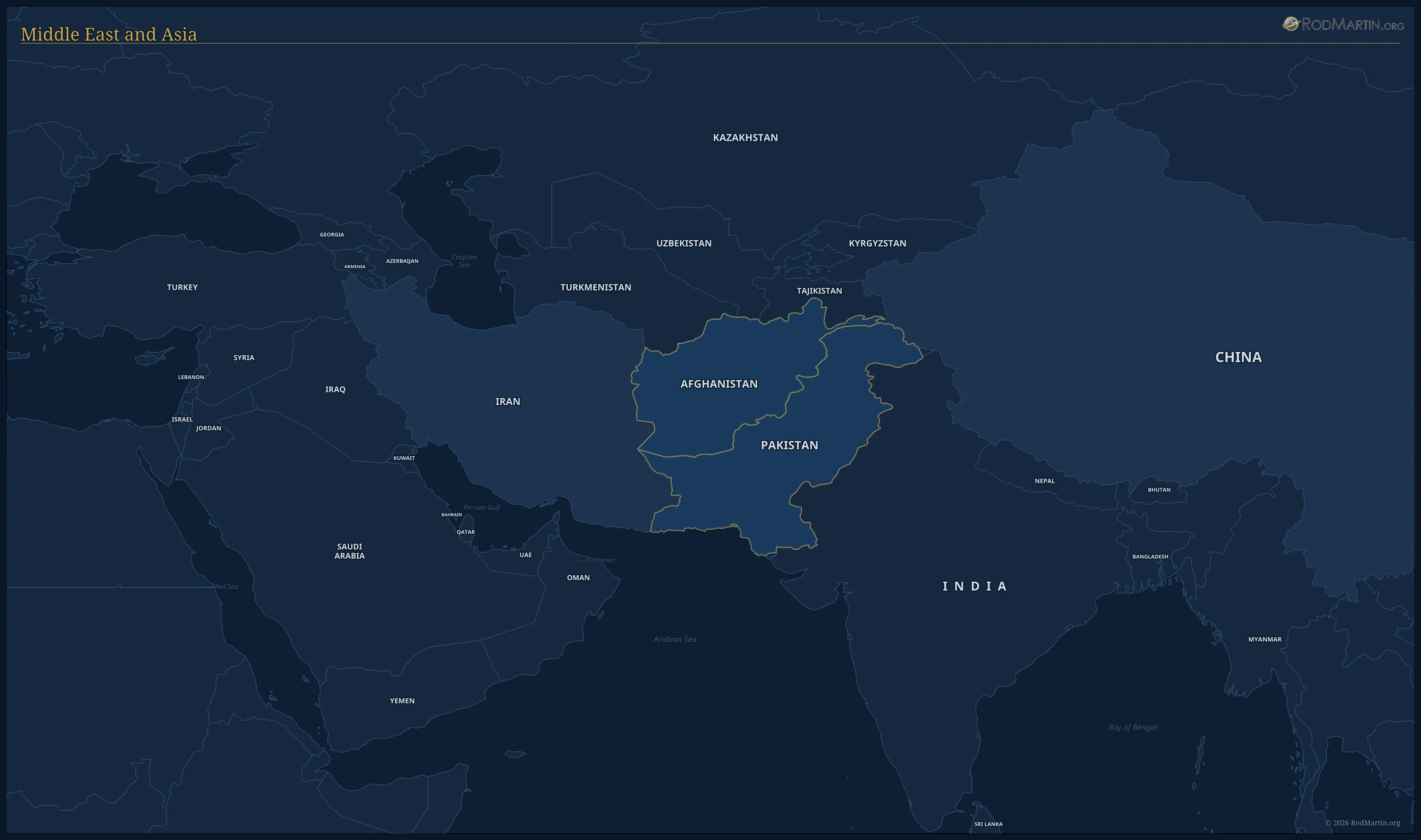
That strategy has not paid off so far. So the attacks continue, despite punishing retaliation. It’s like the pesky little brother who constantly provokes his older sibling to get attention, but with suicide vests.
But that’s only one aim, albeit the more realistically attainable one. There’s a bigger, much darker goal that’s a slim but very real possibility: the Taliban seeks to capture Pakistan — a real country, with a real nuclear arsenal — whole.
Is this likely? No. But as we’ve previously warned, it is far from impossible, and it would make the world a vastly more dangerous place. I explain below.
