



NOTE: As I have been telling you for quite some time, the cornerstone of Donald Trump’s foreign policy is standing up allies as partners, not dependents. Democrats and NeverTrumpers (but I repeat myself) forever tell us Trump is “shattering NATO” and other nonsense. They deliberately ignore the obvious: is it even a real alliance if one country pays more than 70 percent of the bill, while 31 other wealthy capable countries barely pay 29 percent? And how exactly would Germany defend itself from “Russia! Russia! Russia!” if it continues training its infantrymen with broomsticks for lack of rifles?
If you care about our alliances, our allies have to become real partners. In doing so, they restore the most important component of their own sovereignty, the alliance as a whole becomes far stronger — in NATO’s case, a 250 percent upgrade — and war becomes suicidally stupid for our enemies. The world gets better. Peace through strength.
And that brings us to Japan.
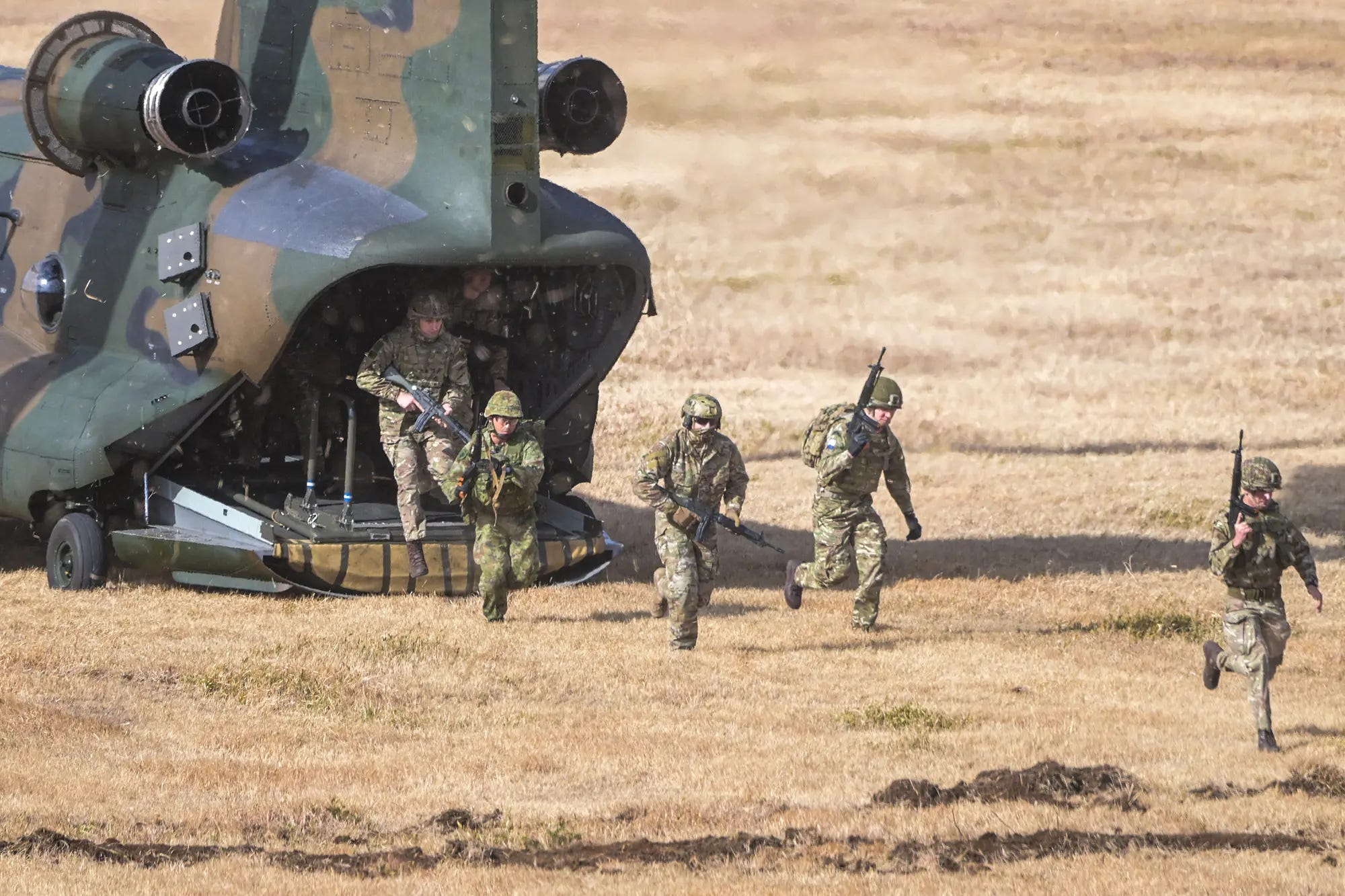
Japan is already a mostly model ally. Despite the constitution we sensibly imposed on it after World War II which banned offensive warfare as a tool of statecraft, the country has built admirable Self Defense Forces that are among the best in the world. Their recent deployment of two modern aircraft carriers (ahem, “aircraft-carrying destroyers”) gives them a real blue water navy with a significant ability to project power.
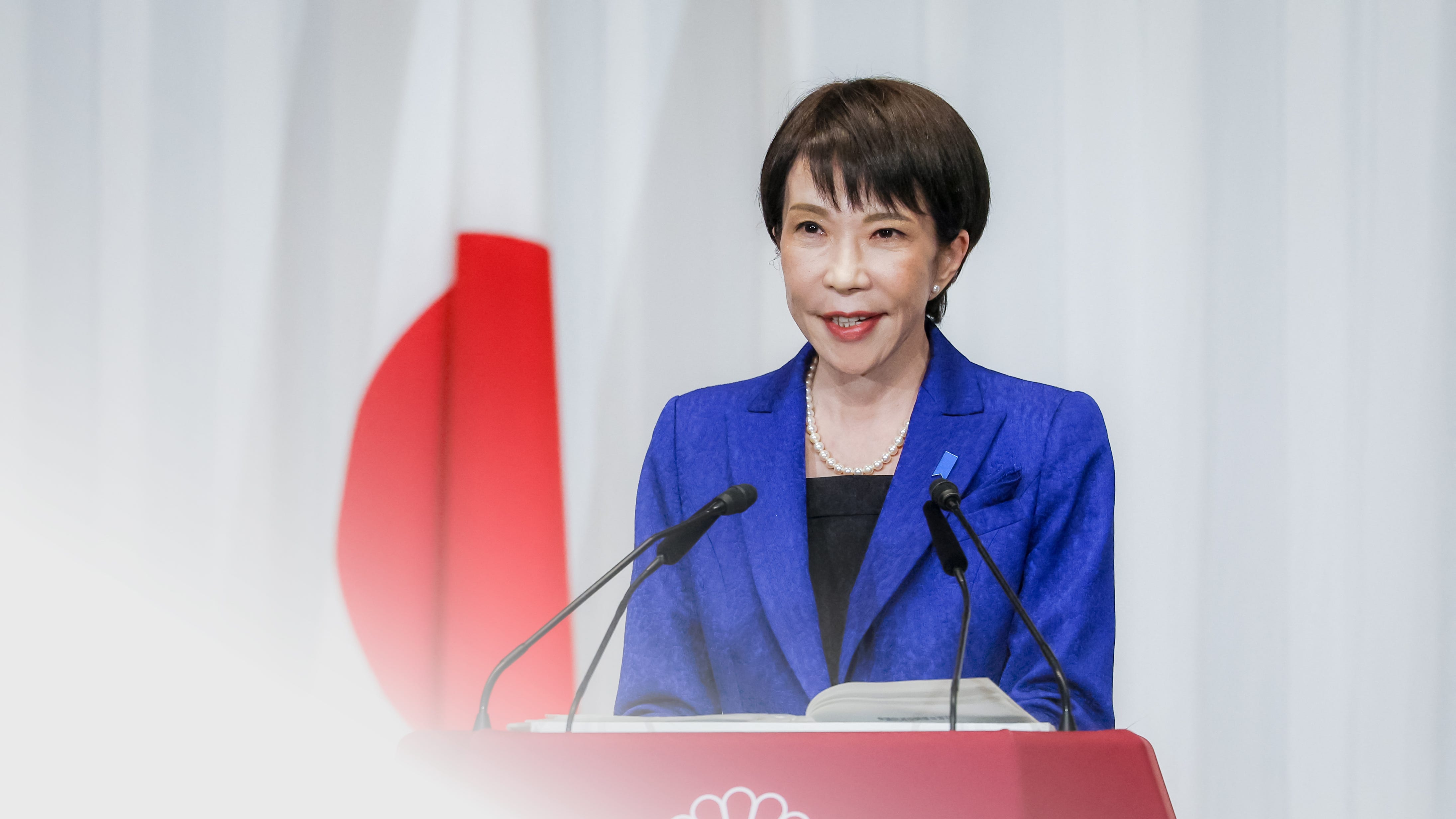
Now, under new Prime Minister Sanae Takaichi, “the Margaret Thatcher of Japan”, all that’s becoming a bit more explicit. Takaichi recently made clear that an attack on Taiwan — the most likely path to a U.S.-China war — would be seen as a self-defense matter for Japan. Beijing howled, of course, invoking eight-decade-old imagery of imperial Japan’s savage conquests. But no one believes that’s modern Japan. What China is now forced to believe is that the U.S. just multiplied its available forces in a possible conflict. Any hope that Tokyo can be sidelined in a conflict just evaporated.
This is Trump’s new order: strong sovereign countries who maintain the peace through shared interests and commerce. Concerned about “American overreach”? This is the cure. If America doesn’t have to be everywhere at once, it can focus force where needed; it also doesn’t have to directly engage in every brushfire. Trump calls this “Commerce Not Chaos”. It certainly beats the neocon paternalism of past decades. — RDM
Japan Emerges as Key U.S. Security Partner Against Beijing
by Sean Tseng and Rod D. Martin
February 25, 2026
Japanese Prime Minister Sanae Takaichi emerged from a snap election on Feb. 8 with a mandate rare in postwar politics: a two-thirds supermajority in the more powerful lower house. The result capped a three-month period of strained Japan–China relations over Taiwan and Japan’s assertion that it had a right to respond if a conflict threatened its survival.
During a Nov. 7, 2025, lower house session, Takaichi said that a crisis involving Taiwan — such as Chinese “armed actions” including the deployment of warships — “could constitute a survival-threatening situation” for Japan, potentially justifying a military response.
Beijing then took a series of aggressive steps: It urged Chinese citizens to avoid traveling to Japan because of heightened tensions. It suspended Japanese seafood imports while citing inadequate water checks. A Chinese diplomat even posted a threat online to “cut off” Takaichi’s neck over her Taiwan stance.
Big mistake. Beijing’s response was widely read in Tokyo as an attempt to intimidate and isolate Japan’s new leader. Instead, it helped turn the Feb. 8 election into a referendum on national security.
The ruling Liberal Democratic Party won 316 seats in the 465-member chamber, and coalition partner the Japan Innovation Party added 36 for a total of 352. That gives Takaichi a degree of parliamentary control that can override the upper house in most cases and expedite major security legislation and budget changes.
That victory gives Takaichi political cover to accelerate changes already underway: higher defense spending, longer-range weapons, tighter counterintelligence, and deeper U.S.–Japan operational integration. Those moves could reshape the Indo-Pacific security landscape.
In Beijing’s worst-case reading, they said, it could also reopen politically sensitive debates over Japan’s nuclear posture and possible “nuclear sharing” arrangements with the United States — even if any actual deployment remains distant.
