


by Rod D. Martin
April 10, 2026
China didn’t just lose face in Venezuela and Iran. It lost something much more important: credibility.
That matters because modern arms sales aren’t really about steel, explosives, radar signatures, or glossy brochures. They are about confidence. They are about prestige. They are about whether foreign governments believe your weapons will work when the shooting starts, your doctrine will hold when it is tested, and your regime knows what it is doing.
When those things fail in public, the damage doesn’t stay on the battlefield. It spreads into diplomacy, deterrence, alliance politics, and global arms exports.
The word is out: China won’t show up for its allies. And the weapons it sold them are junk.
The CCP has spent years trying to persuade the world that China is the coming military superpower, that its systems can hold America at bay, and that countries wanting something cheaper, simpler, and less politically encumbered than U.S. weapons should look East. Russia has long run a version of this play, making itself the world’s third-largest arms supplier, with weapons sales its second-largest export.
China has been trying to imitate that as it grows its own arms exports. Its pitch is the same: America is tired, decadent, expensive, and overcomplicated; we are rising, smart, capable, and ruthless enough to win.
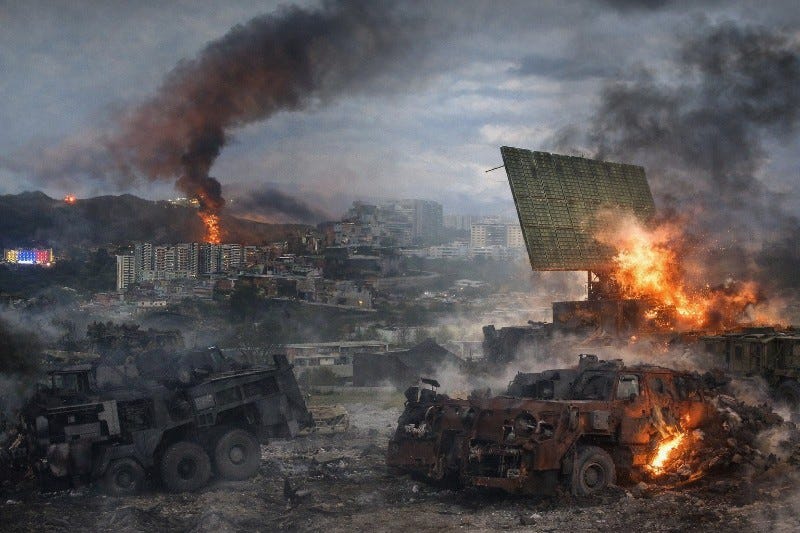
But that pitch has been taking on water for some time. Ukraine already showed Russia’s much-vaunted strength to be a Potemkin village. China’s own vulnerabilities received unwelcome scrutiny during last year’s Operation Sindoor, when India’s clash with Pakistan tested Chinese systems in combat and punctured the aura Beijing has tried so hard to build. Venezuela and Iran have now made the problem impossible to ignore for both Russia and China. Chinese systems that were supposed to deter, blind, protect, or complicate American operations were annihilated in the opening minutes of combat.
The result was not merely embarrassment. It was a live demonstration. Bad weapons do not just lose wars. They lose customers, and allies.
Arms exports aren’t just a source of revenue. They’re a source of influence. They create dependencies, long-term relationships, maintenance pipelines, training arrangements, intelligence opportunities, and diplomatic leverage. A country that buys your fighters, missiles, or integrated air defense systems buys a relationship as well. The seller gains a foothold.
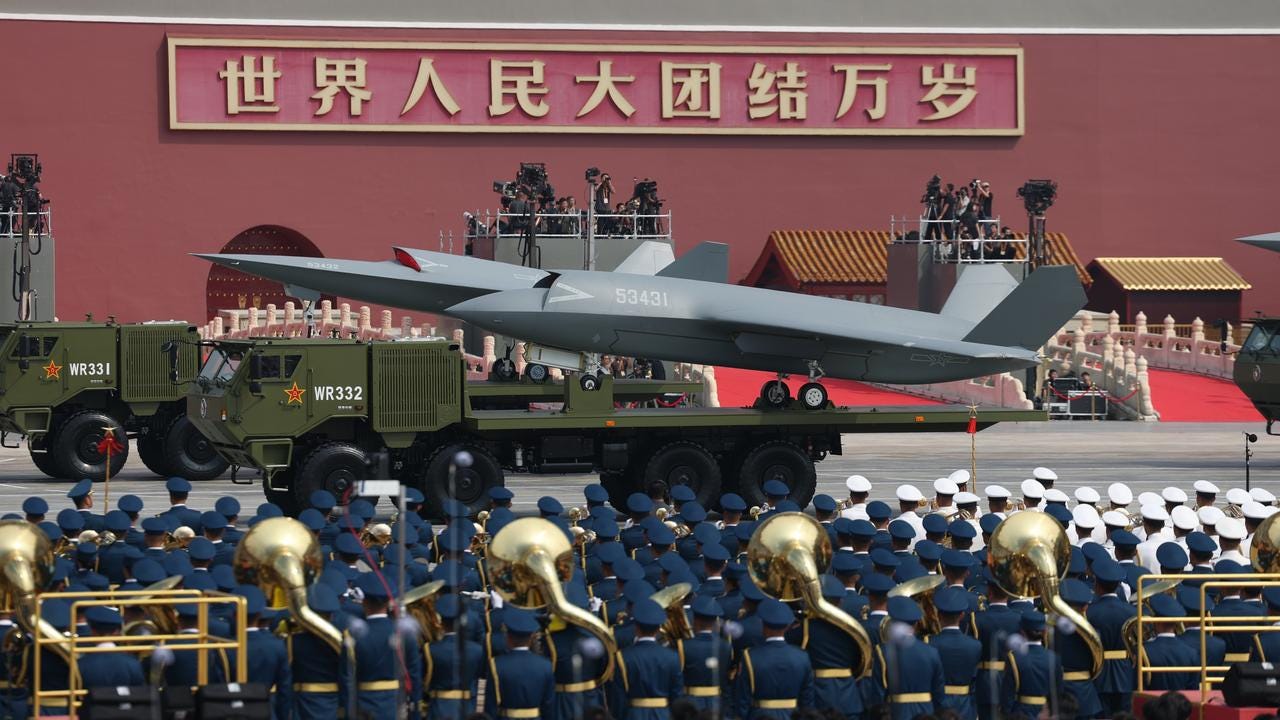
But they’ll only buy if they think your stuff is good.
The deeper question is why China’s weapons failed so spectacularly.
