


by Rod D. Martin
October 6, 2026
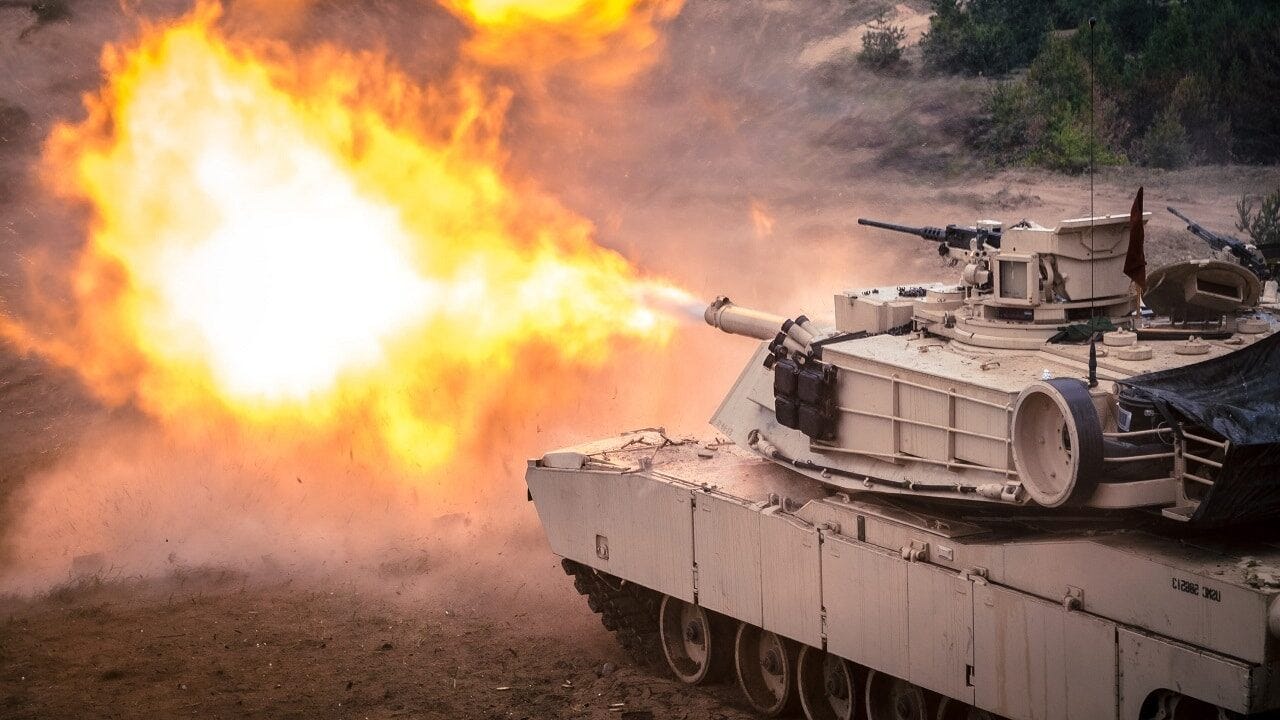
More than 20 Russian drones struck one Ukrainian M1A1 Abrams as it fought into Pokrovsk. The tank survived, and so did its crew. Yet Russian reconnaissance and FPV drones now saturate the battlefield so completely that Ukraine’s 425th Separate Assault Regiment, “Skala,” has stopped sending its Abrams into combat for the time being.
Sounds pretty bad for the future of tank warfare, doesn’t it? But wait: turns out there’s more.
The crews still love the tank. They rave about its gun, its mobility, its fire-control system, and above all its ability to keep them alive (you’ll note, the tank survived). The Abrams remains fast, brutally lethal, extraordinarily accurate, and designed above all to protect its crew.
Skala has used its Australian-supplied M1A1s in two major operations around Pokrovsk. During one assault, four of five armored vehicles in the attack force were destroyed, none of them M1A1s. The Ukrainians had waited for fog and rain to blind Russian drones, which proved effective. But once the fog lifted, the drones came back.

The growing consensus is that the tank — any tank — is obsolete. Yet what Pokrovsk proves is not that the tank is obsolete but rather that it has to change. That change is coming. Drones are teaching us what the next tanks must become.
Tanks have survived this argument before. Anti-tank guns were going to finish it. Then shaped charges. Then guided missiles. Then attack helicopters. Each time, someone announced the end of armored warfare. And each time, engineers adapted the armor and tactics, the sensors and weapons. The machines became more formidable each time.
Tanks have stayed indispensable for good reason. Armies need something that can cross dangerous ground and deliver enormous direct fire exactly where the enemy doesn’t want it. They also need, as the Germans showed in the Low Countries and the U.S. proved in Kuwait, heavy mechanized cavalry that can swoop behind the enemy and cut him off from supply.

That’s called a tank. Or rather, a bunch of them: an armored division. That need isn’t going away.
Drones have become a threat because they combine several of the older threats at once. They see. They follow. They attack from above, where armor is thinner. And because they cost a fraction of the vehicle they’re hunting, they can keep coming until one — or more than one — gets through.
Don’t think the U.S. Army isn’t paying close attention.
